Porcelain Tile Supplier Vietnam | Factory, OEM & Export Supply
 admin
admin


Vietnam is becoming an important sourcing destination for international buyers seeking quality tiles, competitive manufacturing costs and flexible export services. For importers, distributors, contractors and private-label brands, choosing the right porcelain tile supplier Vietnam is essential to building a stable and efficient supply chain.
A reliable supplier must offer more than an attractive price. International buyers also need to evaluate manufacturing capability, product consistency, technical specifications, quality control, packaging, customization and export experience. These factors directly influence product performance, delivery schedules and long-term profitability.
CMC Tiles provides ceramic, porcelain and granite tile solutions for domestic and international markets. With a strong manufacturing background, diverse product collections and a commitment to sustainable innovation, the company supports importers, distributors and project buyers looking for a reliable tile supply partner in Vietnam.
This guide explains why Vietnam is an attractive tile sourcing market, how to evaluate a manufacturer and what buyers should consider when developing standard or OEM porcelain tile collections.
Why Source Porcelain Tiles from Vietnam?
Vietnam has developed a strong manufacturing base for construction materials and other export-oriented industries. Its tile industry benefits from experienced workers, improving production technology, access to raw materials and expanding international trade networks.
For global buyers, sourcing porcelain tiles Vietnam can provide several commercial and operational advantages.
Competitive Manufacturing Costs
Manufacturing costs in Vietnam can be competitive compared with several traditional sourcing markets. This enables importers to balance quality, design and pricing across different customer segments.
However, purchasing decisions should not be based only on the factory price. Buyers should calculate the complete landed cost, including:
- Product price
- Export packaging
- Pallets and protective materials
- Inland transportation
- Port handling
- Ocean freight
- Import duties and taxes
- Third-party inspections
- Insurance
- Warehousing
- Expected breakage allowance
A professional supplier should provide a transparent quotation that clearly explains which products and services are included.
Diverse Product Collections
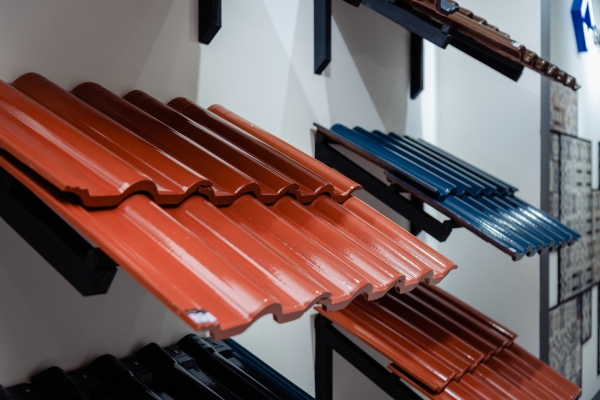
Vietnamese tile manufacturers can supply products for residential, commercial, hospitality and public projects. Available collections may include:
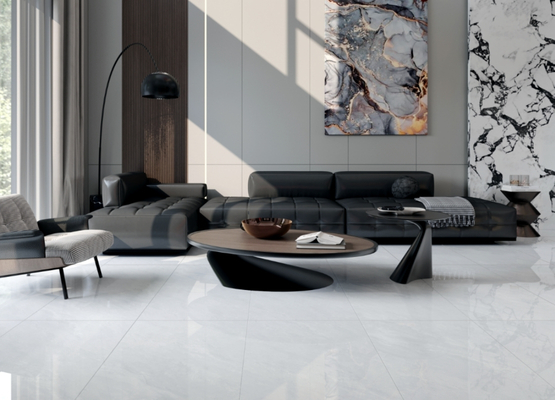
- Marble-look porcelain tiles
- Stone-look tiles
- Wood-look porcelain tiles
- Cement-look surfaces
- Terrazzo-inspired designs
- Polished porcelain tiles
- Matt porcelain tiles
- Glazed porcelain tiles
- Neutral architectural collections
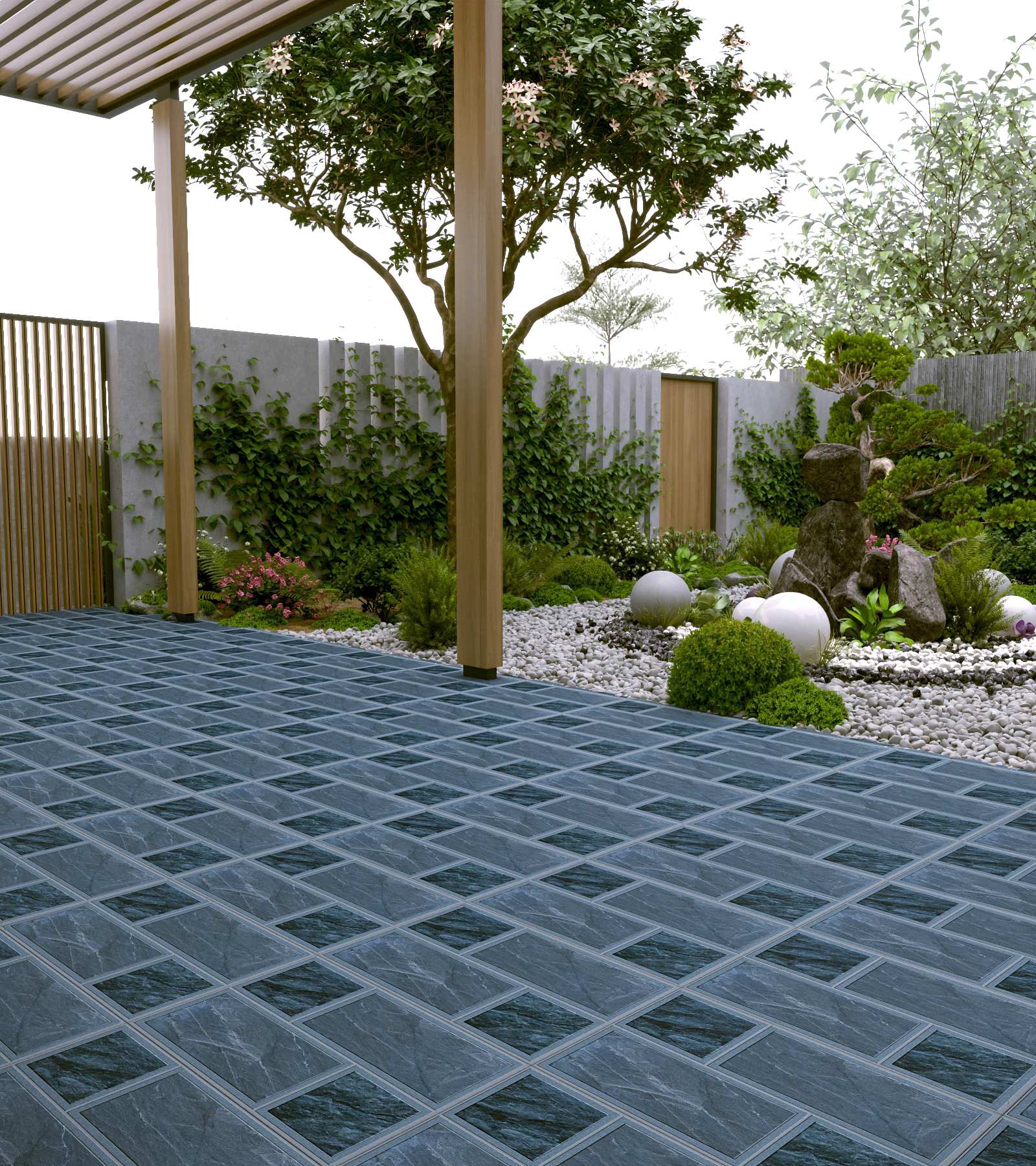
- Indoor and outdoor flooring solutions
This diversity helps distributors build product portfolios for different design styles, applications and price categories.
Flexible Sourcing Opportunities
Some Vietnamese manufacturers can provide flexible solutions for regional distributors, project buyers and private-label brands. Depending on production requirements, buyers may be able to combine different products or develop customized packaging.
This flexibility is valuable for:
- Importers testing a new market
- Regional building-material distributors
- Tile showroom chains
- Contractors sourcing for specific projects
- Private-label tile brands
- Wholesalers expanding their product portfolio
- Architectural material companies
Customization depends on the required design, tile size, surface finish, production volume and available technology. Buyers should discuss technical feasibility and minimum order quantities before beginning development.
Access to International Shipping Routes
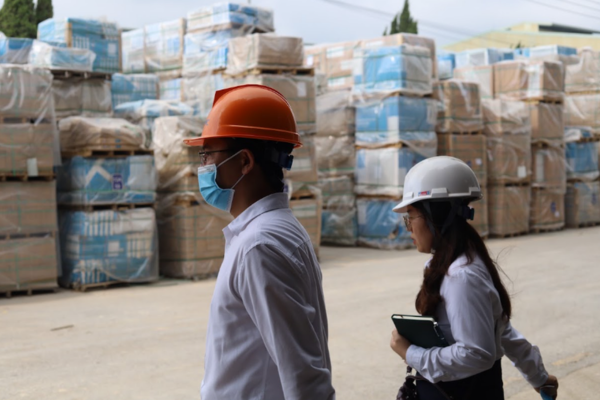
Vietnam has access to major seaports and shipping routes connecting Asia with North America, Europe, the Middle East and other regions. An experienced Vietnam tile exporter can coordinate production, packaging and container loading according to the buyer’s shipment plan.
Freight rates and transit times may change according to the departure port, destination, carrier availability and international shipping conditions. Buyers should therefore request an updated shipping quotation for each order.
Why Are Porcelain Tiles Popular in International Markets?
Porcelain tiles are manufactured from refined materials and fired at high temperatures to create a dense and durable tile body. Their technical performance and visual diversity make them suitable for many residential and commercial applications.
Depending on the specific product classification, porcelain tiles may be used in:
- Houses and apartments
- Living rooms
- Kitchens and bathrooms
- Hotels and resorts
- Restaurants and cafés
- Shopping centers
- Office buildings
- Retail stores
- Public facilities
- Selected exterior areas
- High-traffic commercial spaces
Low Water Absorption
Porcelain tiles generally have low water absorption due to their dense structure. This characteristic makes them suitable for spaces where moisture resistance and long-term stability are important.
Buyers should still verify the technical data of the exact product they intend to purchase. Not every tile marketed as porcelain has identical specifications or performance.
Strength and Durability
Porcelain tiles are commonly selected for floors and other surfaces requiring good mechanical performance. When an appropriate product is correctly installed, it can provide a durable solution for residential and commercial spaces.
The final performance of a tiled surface also depends on:
- Substrate quality
- Installation method
- Tile adhesive
- Joint width
- Grout quality
- Expansion joints
- Traffic conditions
- Cleaning and maintenance
The tile should therefore be selected according to the intended application rather than its appearance alone.
Design Versatility
Modern digital printing and surface technologies allow porcelain tiles to recreate the appearance of natural materials while providing consistent production and practical maintenance.
Popular design categories include:
- White marble
- Grey marble
- Beige limestone
- Travertine
- Natural wood
- Concrete
- Terrazzo
- Dark stone
- Warm neutral surfaces
- Minimalist architectural finishes
These options allow importers and designers to develop collections for contemporary, classic, natural and luxury interiors.
Convenient Maintenance
Porcelain tile surfaces are generally easy to clean and maintain when correctly selected and installed. This makes them suitable for homes, hotels, restaurants, retail stores and other projects where hygiene and long-term maintenance are important.
Cleaning requirements may vary according to the surface finish. Buyers should request maintenance recommendations for polished, matt, textured or anti-slip products.
How to Evaluate a Porcelain Tile Factory Vietnam
Finding tile suppliers online is relatively easy. Determining whether a supplier can consistently meet international requirements requires a more structured assessment.
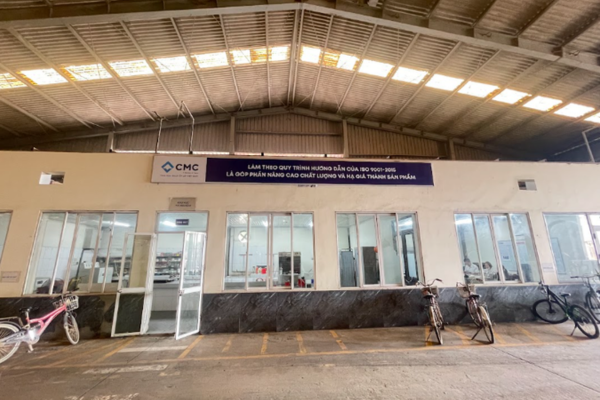
Before choosing a porcelain tile factory Vietnam, buyers should evaluate its manufacturing capability, quality-control system, technical documentation and export experience.
1. Confirm the Supplier’s Manufacturing Capability
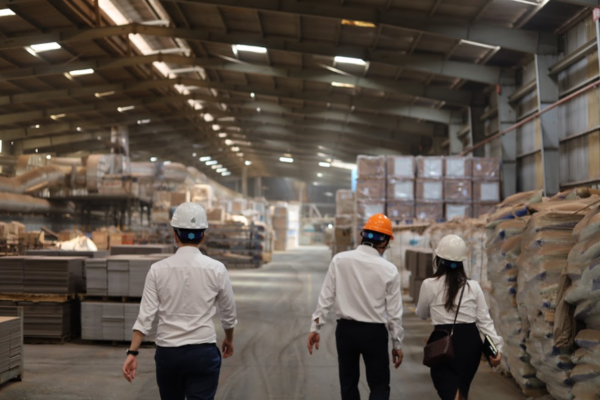
Buyers should determine whether the potential partner is a manufacturer, trading company or a combination of both. Working directly with a manufacturer can provide greater control over product development, quality and production planning.
Important questions include:
- Where is the factory located?
- Which tile categories are manufactured?
- What sizes and finishes are available?
- Which production stages are handled internally?
- What is the normal production capacity?
- What is the typical production lead time?
- Can the factory support repeat orders?
- Can buyers arrange an on-site or virtual inspection?
- Does the factory have experience with international markets?
A large production capacity can be beneficial, but process control, communication and product consistency are equally important.
2. Review Technical Specifications
International buyers should request a technical data sheet for every product under consideration. Depending on the target market and application, relevant specifications may include:
- Nominal and actual dimensions
- Tile thickness
- Water absorption
- Breaking strength
- Modulus of rupture
- Surface abrasion resistance
- Deep abrasion resistance
- Stain resistance
- Chemical resistance
- Slip resistance
- Frost resistance
- Flatness and squareness
- Shade variation
- Edge treatment
- Surface finish
Technical requirements vary among residential, commercial and outdoor applications. Applicable standards may also differ between destination countries.
Buyers should therefore provide their required standards and testing criteria before placing an order.
3. Examine the Quality-Control Process
A reliable Vietnam porcelain tile supplier should maintain quality controls throughout manufacturing rather than inspecting products only after packing.
A comprehensive process may include:
- Raw-material inspection
- Body preparation monitoring
- Forming and pressing control
- Drying supervision
- Glazing and printing inspection
- Firing-process monitoring
- Dimensional checks
- Surface inspection
- Shade and caliber classification
- Strength and water-absorption testing
- Packing inspection
- Final verification before loading
Consistency is especially important for repeat orders. Differences in dimensions, shade or caliber may cause installation problems when products from separate batches are used in the same area.
Importers should record production batch information and discuss acceptable tolerances with the manufacturer.
4. Request Samples
Physical samples allow buyers to assess color, surface finish, texture and overall appearance. Nevertheless, a small sample may not fully represent the variation found across a complete production batch.
Sample documentation should identify:
- Product code
- Tile size
- Thickness
- Surface finish
- Edge type
- Color and shade variation
- Technical classification
- Number of design faces
- Packaging details
For customized products, buyers should approve a signed reference sample before mass production begins.
5. Evaluate Export Experience
A professional Vietnam tile exporter must understand more than tile manufacturing. It should also be familiar with export packaging, container loading, commercial documentation and international shipping procedures.
Before confirming an order, buyers should discuss:
- Incoterms
- Port of loading
- Destination port
- Container type
- Estimated loading quantity
- Pallet requirements
- Country-of-origin marking
- Product labels
- Barcode requirements
- Shipping marks
- Commercial documents
- Certificates requested by the importer
- Inspection arrangements
Clear documentation reduces the risk of delays, additional costs and misunderstandings.
OEM Porcelain Tiles for Private-Label Brands
Private-label development allows importers and distributors to offer tile collections under their own brands. Working with a manufacturer of OEM porcelain tiles can help buyers create a differentiated portfolio and strengthen brand recognition.
OEM cooperation may involve customized packaging only or a more comprehensive product-development process.
Common OEM Services
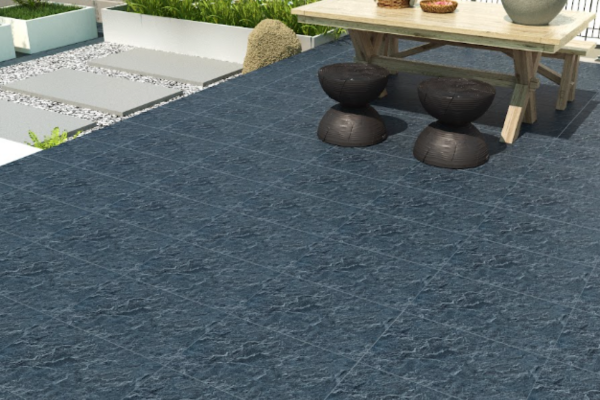
Depending on manufacturing capability, technical feasibility and order quantity, OEM services may include:
- Custom carton design
- Buyer’s logo and brand name
- Private product codes
- Custom labels
- Barcode integration
- Market-specific descriptions
- Collection naming
- Exclusive color selection
- Customized pattern development
- Surface-effect adjustments
- Pallet labels
- Shipping marks
- Catalogue and sample-board support
Buyers should prepare a detailed product brief before requesting a customized collection. The brief should identify the target customer, preferred design direction, required specifications, expected price range and estimated annual sales volume.
Understanding Minimum Order Quantities
The minimum order quantity for an OEM project depends on:
- Tile dimensions
- Body composition
- Surface finish
- Number of designs
- Number of faces
- Packaging customization
- Production setup
- Technical requirements
- Expected ordering frequency
Customized packaging generally has different minimum quantities from a newly developed surface design. Buyers should provide complete requirements so that the factory can recommend a practical production plan.
Protecting Designs and Commercial Information
For exclusive collections, buyers and manufacturers should agree on:
- Ownership of artwork
- Regional exclusivity
- Duration of exclusivity
- Minimum annual purchasing volume
- Use of designs for other customers
- Storage of digital design files
- Confidentiality of commercial information
- Conditions for renewing exclusive rights
These terms should be recorded in writing before product development begins.
Packaging and Container Loading
Export packaging is essential to protecting tiles during handling, storage and ocean transportation. Even a high-quality product may arrive damaged if cartons, pallets or container-loading methods are unsuitable.
Typical tile export packaging may include:
- Printed or neutral cartons
- Internal edge protection
- Plastic strapping
- Wooden or composite pallets
- Shrink wrapping
- Protective corners
- Product labels
- Pallet identification
- Container bracing
The appropriate packaging solution depends on tile size, carton weight, shipping distance and the buyer’s warehouse system.
Packing Information to Confirm
Before shipment, the packing list should clearly state:
- Product code
- Tile dimensions
- Pieces per carton
- Square meters per carton
- Weight per carton
- Total number of cartons
- Total square meters
- Number of pallets
- Net weight
- Gross weight
Buyers should also confirm whether wooden packaging must comply with fumigation or phytosanitary requirements in the destination country.
Mixed-Container Orders
Mixed-container loading allows distributors to combine several product models in one shipment. This can help buyers test new designs, serve multiple customer groups and control inventory.
However, mixed containers require careful coordination of:
- Production availability
- Minimum quantity per model
- Carton dimensions
- Pallet arrangement
- Weight distribution
- Loading sequence
- Product identification
- Maximum container payload
Buyers should request a preliminary loading plan before approving a mixed-container purchase order.
Questions to Ask a Vietnam Porcelain Tile Supplier
A structured questionnaire helps buyers compare potential manufacturers objectively. Important questions include:
- Are you a manufacturer or trading company?
- Where is your factory located?
- Which porcelain tile sizes do you produce?
- Which surfaces and designs are available?
- Which technical standards can your products meet?
- Can you provide recent test reports?
- What is the MOQ for standard products?
- What is the MOQ for customized packaging?
- Can you manufacture OEM porcelain tiles?
- How do you manage shade and caliber consistency?
- What is the estimated production lead time?
- Can multiple product models be combined in one container?
- Which Incoterms can you offer?
- Can third-party inspection be arranged?
- How are product claims handled?
- Can you provide samples before order confirmation?
The quality of a supplier’s answers often reflects the quality of its internal processes. Responses should be specific, consistent and supported by documents where necessary.
Common Risks When Importing Porcelain Tiles
Tile sourcing involves several risks, but these can be reduced through clear specifications, sample approval and shipment inspection.
Differences Between Production Batches
Tile color and dimensions may vary between batches. Buyers should agree on acceptable variation and avoid installing different batches in the same continuous area.
Selecting an Unsuitable Product
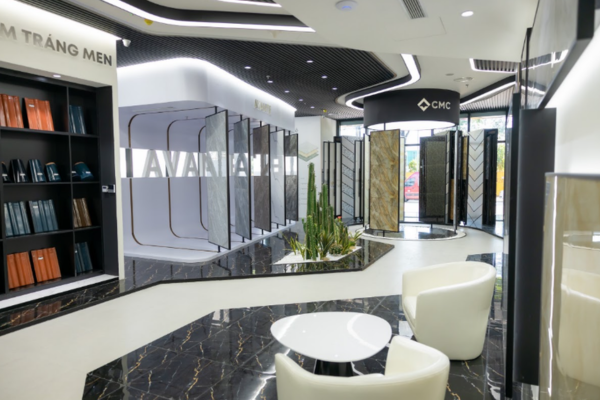
An attractive tile may not have the technical properties required for a particular application. Buyers should match the product with traffic levels, moisture exposure, safety requirements and installation conditions.
Unclear Quality Standards
General statements such as “premium quality” are difficult to verify. Purchase orders should include measurable specifications, inspection criteria and approved samples.
Packaging Damage
Weak cartons or incorrect loading can result in damaged products. Packaging details should be approved before production, and buyers may request photographs of finished pallets and container loading.
Shipping and Production Delays
Lead times may be affected by production schedules, material availability, public holidays, port conditions and vessel availability. Importers should include reasonable time allowances in purchasing plans.
Communication Errors
All important specifications should be confirmed in writing. Product codes, quantities, prices, packaging and shipping terms should remain consistent across the quotation, proforma invoice, purchase order and packing list.
Why Choose CMC Tiles?
CMC Tiles is a Vietnamese manufacturer providing ceramic, porcelain and granite tile solutions for residential, commercial and architectural projects.
With extensive experience in the tile industry, CMC Tiles focuses on manufacturing technology, product quality and sustainable innovation. Its product portfolio covers diverse design styles and applications, helping distributors and project buyers develop collections for different markets.
For companies searching for a dependable porcelain tile supplier Vietnam, CMC Tiles can support:
- Porcelain and granite tile sourcing
- Product consultation
- Standard collection supply
- Project-based tile selection
- Private-label packaging discussions
- OEM porcelain tiles
- Product samples
- Catalogue support
- Technical information
- Container planning
- Export quotation preparation
Product availability, specifications, MOQ, customization and delivery schedules should be confirmed for each project.
How to Request an Accurate Export Quotation
To receive an accurate quotation from a Vietnam porcelain tile supplier, buyers should provide detailed information in the initial inquiry.
Recommended information includes:
- Company name
- Company website
- Destination country
- Destination port
- Required tile category
- Preferred tile sizes
- Surface finish
- Design references
- Required quantity
- Estimated annual volume
- Technical standards
- Packaging requirements
- Private-label requirements
- Expected delivery date
- Preferred Incoterm
A complete inquiry helps the manufacturer recommend suitable products and prepare a relevant commercial proposal.
Conclusion
Choosing the right porcelain tile supplier Vietnam requires careful consideration of manufacturing capability, product quality, technical compliance, OEM support, packaging and export experience.
Price is an important factor, but long-term value depends on consistency, communication and the manufacturer’s ability to meet the requirements of the destination market.
Vietnam offers international buyers a competitive combination of manufacturing experience, diverse tile collections, flexible commercial solutions and access to global shipping routes. Whether you are sourcing standard products, developing OEM porcelain tiles, supplying a construction project or expanding a distribution network, a structured sourcing process can reduce risk and improve purchasing efficiency.
CMC Tiles is ready to discuss porcelain and granite tile requirements with importers, distributors, contractors and private-label partners.
Contact CMC Tiles to request the latest catalogue, product samples, technical specifications and export quotation. Share your target market, preferred tile sizes, surface finish and estimated quantity to receive a customized supply proposal.
Frequently Asked Questions
Is Vietnam a suitable country for sourcing porcelain tiles?
Yes. Vietnam has an established construction-material manufacturing sector, diverse tile collections and access to international shipping routes. However, buyers should evaluate each factory individually for quality, capacity and export experience.
Can a porcelain tile factory Vietnam provide OEM services?
Some manufacturers offer custom cartons, private product codes, labels, branding and selected design-development services. MOQ and availability depend on product specifications and customization requirements.
How can importers verify porcelain tile quality?
Buyers can review technical data sheets, test reports and physical samples. They can also conduct factory audits or arrange third-party inspections before shipment.
What information is required for a quotation?
Buyers should provide the tile size, design, surface finish, quantity, technical requirements, destination port, preferred Incoterm and packaging specifications.
Can several tile models be loaded in one container?
Mixed-container loading may be possible depending on production availability, MOQ, dimensions, pallet configuration and weight limits. The arrangement should be confirmed before placing an order.
What is the normal production lead time?
Lead time depends on order quantity, product availability, factory schedule and customization requirements. Standard products may be supplied sooner than exclusive OEM collections.
What is the difference between ceramic and porcelain tiles?
Porcelain tiles generally have a denser body and lower water absorption than many ceramic tiles. Buyers should review the specifications of each product rather than relying only on the category name.
How should buyers select a reliable Vietnam tile exporter?
Buyers should evaluate manufacturing capability, quality control, technical documents, packaging, communication and export experience. A reliable exporter should provide clear commercial terms and support the order from product selection through shipment.
About CMC Tiles
With more than six decades of development, CMC Tiles is an established Vietnamese manufacturer of porcelain, ceramic and granite tiles. Combining manufacturing experience with modern technology and a commitment to sustainable innovation, the company provides tile solutions for residential, commercial and architectural projects. As a trusted porcelain tile supplier Vietnam, CMC Tiles supports international importers, distributors and project partners with diverse collections, technical consultation, customized supply options and professional export services.