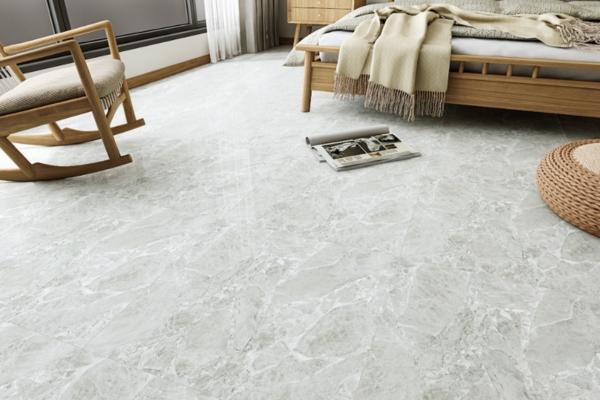
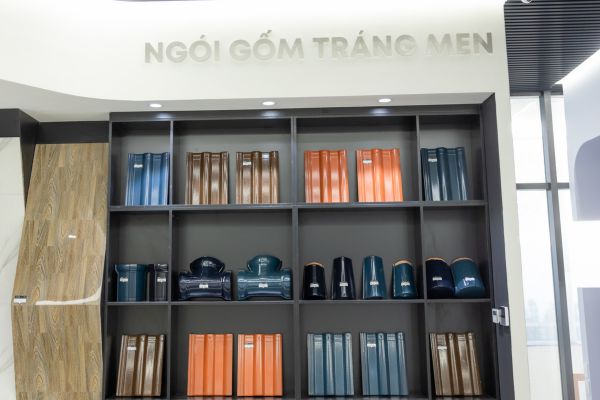
Ceramic Tiles from Vietnam | Manufacturer & Export Supplier
 admin
admin


Vietnam has become an increasingly important sourcing destination for building materials, interior finishes, and architectural products. Among these products, ceramic tiles are widely used in residential, commercial, hospitality, retail, and architectural projects because they combine durability, design flexibility, easy maintenance, and competitive manufacturing costs.
For international buyers, sourcing ceramic tiles from Vietnam can provide access to a wide range of surface designs, formats, colors, finishes, and technical specifications. Vietnamese manufacturers and exporters serve both domestic and international markets, offering products for distributors, wholesalers, retailers, contractors, developers, and project-based buyers.
This guide explains what buyers should know about ceramic tiles from Vietnam, including manufacturing, product types, applications, quality considerations, customization, export capabilities, and how to choose the right Vietnamese tile supplier.
What Are Ceramic Tiles?
Ceramic tiles are manufactured primarily from natural clay and other mineral materials that are shaped, dried, decorated, and fired at high temperatures. The firing process transforms the raw materials into a hard, durable surface suitable for walls, floors, and other architectural applications.
Depending on their composition, production technology, water absorption, density, and intended application, ceramic tiles can be developed in different specifications for residential and commercial projects.
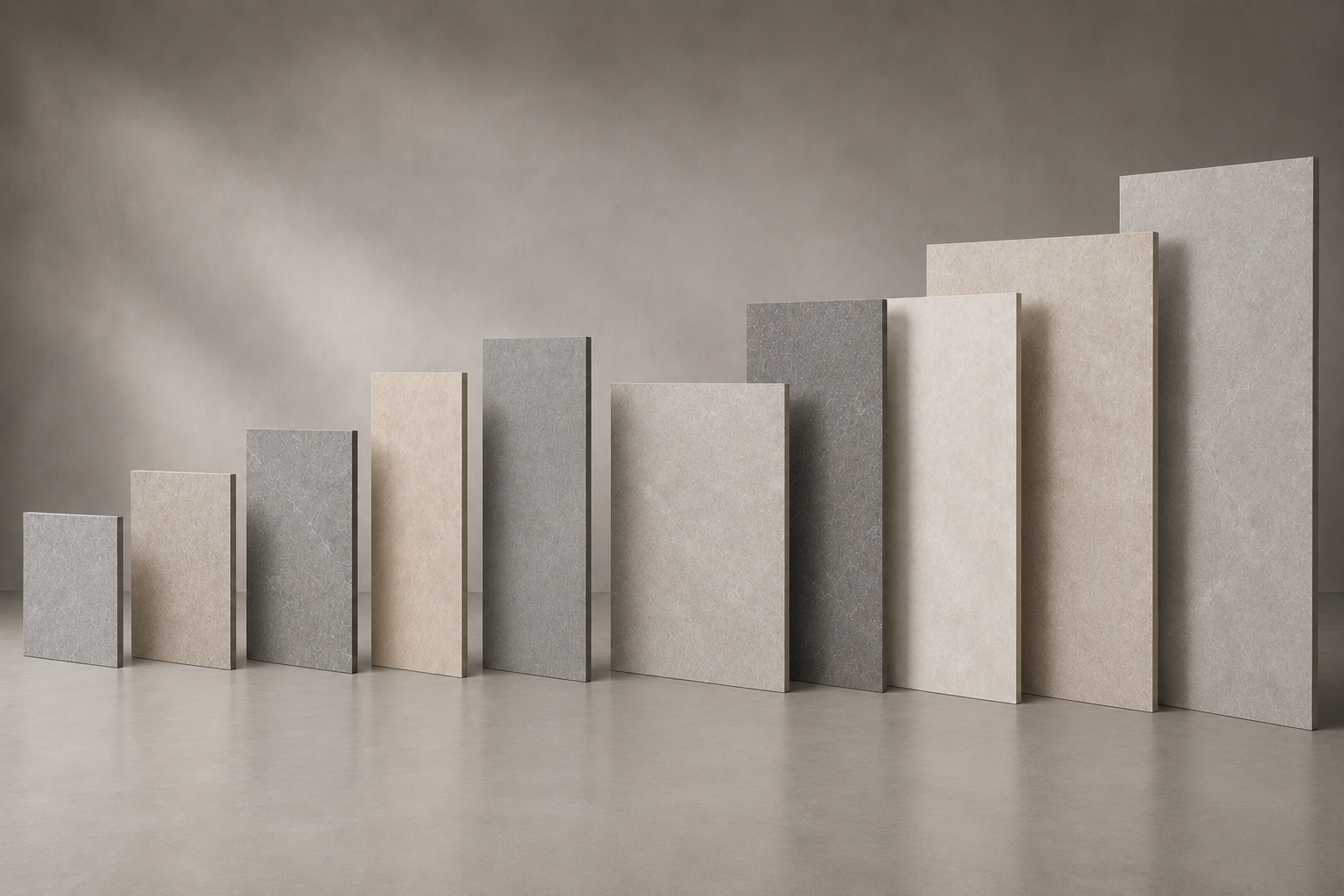
Ceramic tiles are commonly selected because they offer several practical benefits:
- Durable and suitable for everyday use
- Easy to clean and maintain
- Available in a wide range of colors and patterns
- Suitable for wall and selected floor applications
- Compatible with many interior design styles
- Available in different sizes and surface finishes
- Cost-effective compared with many natural finishing materials
- Suitable for large-scale residential and commercial projects
For international construction and interior projects, the choice of tile should always be based on the intended application, technical specifications, installation conditions, and local standards.
Why Source Ceramic Tiles from Vietnam?
Vietnam has developed a strong manufacturing base for ceramic and construction materials. The country’s established manufacturing infrastructure, skilled workforce, raw-material availability, and growing export capabilities make it an attractive sourcing market for international buyers.
One of the main advantages of ceramic tiles from Vietnam is the combination of design variety and manufacturing flexibility.
Vietnamese tile manufacturers can produce products for different market segments, from practical residential collections to more sophisticated products designed for hospitality, retail, commercial, and architectural projects.
1. Competitive Manufacturing
Vietnam offers competitive production costs while maintaining increasingly sophisticated manufacturing capabilities. This can make Vietnamese ceramic tiles attractive to importers looking to balance product quality, design, and landed cost.
For distributors and wholesalers, sourcing directly from a manufacturer can also provide better opportunities for volume purchasing, private-label development, and long-term supply agreements.
2. Diverse Designs and Finishes
Modern ceramic tiles are no longer limited to basic colors and patterns. Vietnamese manufacturers can offer collections inspired by natural stone, wood, concrete, marble, terrazzo, textile, and contemporary architectural surfaces.
Popular finishes may include:
- Matte
- Glossy
- Polished
- Satin
- Textured
- Structured
- Natural-look surfaces
This design flexibility allows buyers to select products according to different architectural concepts and consumer preferences.
3. Flexible Product Development
International buyers may require specific dimensions, colors, patterns, packaging, or technical specifications. Depending on the manufacturer’s capabilities and minimum order quantities, Vietnamese suppliers may support customized product development for specific markets.
This is particularly valuable for distributors and retailers developing their own product collections or private-label brands.
4. Export-Oriented Manufacturing
Many Vietnamese manufacturers have experience serving international customers and understand the requirements associated with export packaging, documentation, container loading, product protection, and international logistics.
For buyers importing ceramic tiles from Vietnam, working with an experienced export supplier can simplify the sourcing process and reduce potential communication and logistics issues.
Types of Ceramic Tiles Available from Vietnam
Vietnamese tile manufacturers can offer various product categories depending on their production technology and target market.
Ceramic Wall Tiles
Ceramic wall tiles are commonly used in kitchens, bathrooms, living spaces, retail interiors, hospitality areas, and other vertical applications.
They are available in different sizes, colors, textures, and decorative patterns, making them suitable for both modern and traditional interior concepts.
For wall applications, buyers often prioritize:
- Design
- Color consistency
- Surface finish
- Dimensional accuracy
- Ease of installation
- Cleaning and maintenance requirements
Ceramic Floor Tiles
Some ceramic tile products are designed for floor applications where appropriate technical specifications are met.
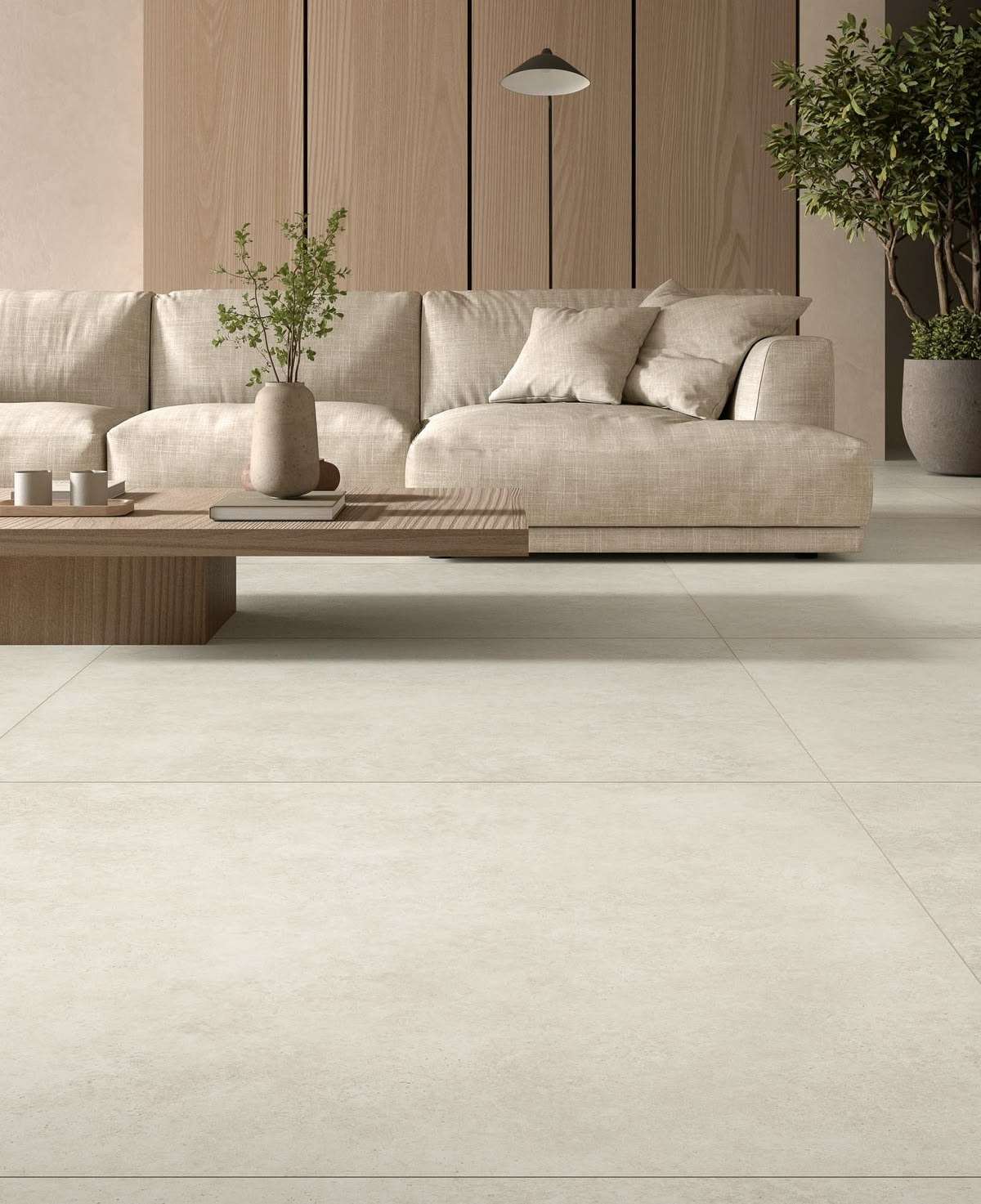
Floor tile selection should consider factors such as expected traffic, slip resistance, water absorption, surface durability, and installation conditions.
For commercial projects, buyers should request technical documentation and test results from the manufacturer before finalizing a product specification.
Decorative Ceramic Tiles
Decorative tiles can be used to create feature walls, kitchen backsplashes, bathroom accents, retail displays, and hospitality interiors.
These products often emphasize visual appearance, surface texture, color variation, and pattern.
Wood-Look Ceramic Tiles
Wood-look ceramic tiles combine the visual appearance of natural wood with the practical characteristics of ceramic surfaces.
They can be used in interiors where designers want a warm, natural aesthetic while maintaining a hard and easy-to-maintain tiled surface.
Stone-Look Ceramic Tiles
Stone-inspired ceramic surfaces are another popular design direction. Marble, limestone, travertine, slate, and other natural-stone visual effects can create an architectural appearance without requiring the use of natural stone throughout a project.
Ceramic Tiles vs. Porcelain Tiles
One of the most common questions from international buyers is the difference between ceramic and porcelain tiles.
Both are ceramic products, but their composition and manufacturing characteristics can differ. Porcelain tiles generally have very low water absorption and are manufactured to meet specific technical classifications, while conventional ceramic tiles can have higher water absorption depending on the product.
The right option depends on the application.
| Feature | Ceramic Tiles | Porcelain Tiles |
|---|---|---|
| Composition | Clay and mineral materials | More refined clay/mineral composition |
| Water absorption | Varies by specification | Generally very low |
| Typical applications | Walls and selected floors | Floors, walls and demanding applications |
| Design options | Wide range | Wide range |
| Cost | Often more economical | Often higher |
| Application | Residential and commercial | Residential, commercial and high-performance applications |
For a specific project, buyers should not select products based solely on the term “ceramic” or “porcelain.” Technical specifications and applicable standards should be reviewed before purchasing.
Ceramic Tile Manufacturing Process in Vietnam
Understanding how ceramic tiles are manufactured can help international buyers evaluate potential suppliers.
Although manufacturing processes vary between factories, a typical ceramic tile production process includes several major stages.
1. Raw Material Preparation
Clay, minerals, and other raw materials are selected and processed according to the required product formulation.
2. Grinding and Mixing
The raw materials are processed to achieve the appropriate particle size and composition. Water or other processing methods may be used depending on the production technology.
3. Forming
The prepared material is shaped into tiles using industrial forming and pressing equipment.
4. Drying
The formed tiles are carefully dried to remove moisture and prepare them for subsequent processing.
5. Glazing and Decoration
Depending on the product, manufacturers may apply glaze, digital printing, decorative layers, textures, or other surface treatments.
Digital printing technology allows manufacturers to reproduce sophisticated patterns and natural-material appearances.
6. Firing
Tiles are fired at high temperatures in industrial kilns. This stage is critical because firing affects the physical characteristics, strength, appearance, and final performance of the product.
7. Sorting and Quality Inspection
Finished products are inspected and sorted according to dimensions, appearance, surface quality, color, and other applicable specifications.
8. Packaging and Export
Products for international markets are packed according to transportation and handling requirements before being prepared for container loading and shipment.
Quality Standards for Ceramic Tiles
Quality is one of the most important considerations when purchasing ceramic tiles from Vietnam.
International buyers should request technical documentation from potential suppliers and confirm that products meet the standards required in their target market.
Important quality parameters may include:
- Water absorption
- Breaking strength
- Modulus of rupture
- Dimensional accuracy
- Surface flatness
- Abrasion resistance
- Slip resistance
- Chemical resistance
- Stain resistance
- Frost resistance where applicable
The exact requirements depend on the product type and intended application.
A reliable ceramic tile supplier should be able to provide product specifications, test reports, samples, packaging information, and other documentation relevant to the buyer’s market.
Ceramic Tiles for International Projects
Vietnamese ceramic tiles can be used across a wide variety of applications.
Residential Projects
Common residential applications include:
- Living rooms
- Bedrooms
- Kitchens
- Bathrooms
- Balconies
- Entryways
Commercial Projects
Commercial applications may include:
- Offices
- Retail stores
- Restaurants
- Shopping centers
- Showrooms
- Hospitality spaces
Hospitality Projects
Hotels, resorts, restaurants, and other hospitality projects often require coordinated tile collections across multiple areas.
Design consistency, availability, durability, and supply reliability become particularly important for these projects.
Architectural and Development Projects
Large-scale developers may require consistent production, stable specifications, project quantities, customized designs, and scheduled deliveries.
For these customers, choosing an experienced ceramic tile manufacturer in Vietnam can be more important than simply selecting the lowest product price.
How to Choose a Ceramic Tile Manufacturer in Vietnam
Selecting the right supplier is an important step in international sourcing.
Before placing an order, buyers should evaluate several factors.
Manufacturing Capability
Ask about the manufacturer’s production capacity, factory facilities, equipment, product range, and experience with export markets.
Product Quality
Request physical samples and technical specifications. If the project has specific performance requirements, confirm them before mass production.
Design and Customization
If you need exclusive designs, private-label packaging, special colors, or customized products, discuss development capabilities and minimum order quantities with the supplier.
Quality Control
Understand how the factory controls raw materials, production processes, finished products, packing, and loading.
Packaging
Ceramic products can be vulnerable to damage during transportation if they are not properly packaged. Ask the supplier about carton specifications, pallets, protective materials, labeling, and container loading procedures.
Export Experience
An experienced ceramic tile exporter should understand international shipping processes and be able to provide appropriate commercial and shipping documentation.
Communication
Clear communication is especially important when sourcing products internationally. Specifications, drawings, packaging requirements, quantities, lead times, and quality expectations should be documented clearly.
Why Work Directly with a Vietnamese Ceramic Tile Supplier?
Buying directly from a manufacturer can provide several advantages for importers and distributors.
Direct sourcing may provide better control over:
- Product specifications
- Pricing
- Minimum order quantities
- Packaging
- Product development
- Production schedules
- Quality control
- Export documentation
It can also create a stronger foundation for long-term cooperation.
For buyers developing a tile brand or expanding an existing product portfolio, direct cooperation with a Vietnam ceramic tiles manufacturer can provide greater flexibility than purchasing through multiple layers of intermediaries.
Ceramic Tiles from Vietnam for Private Label and OEM
Private-label and OEM opportunities are particularly relevant to international distributors and retailers.
Depending on factory capabilities, buyers may request:
- Custom product collections
- Exclusive designs
- Customized colors
- Brand packaging
- Carton artwork
- Product labels
- Marketing materials
- Special sizes or specifications
OEM cooperation requires clear communication between the buyer and manufacturer. Technical drawings, color references, approved samples, packaging specifications, and quality requirements should be confirmed before production.
Frequently Asked Questions About Ceramic Tiles from Vietnam
Are ceramic tiles from Vietnam suitable for international markets?
Yes. Vietnamese manufacturers produce ceramic tile products for both domestic and international markets. However, buyers should evaluate each supplier’s product quality, technical specifications, certifications, export experience, and ability to meet the requirements of the destination market.
How can I buy ceramic tiles directly from Vietnam?
International buyers can contact Vietnamese manufacturers or export suppliers directly, request product catalogs and samples, compare technical specifications and quotations, and discuss minimum order quantities, packaging, production lead times, and shipping arrangements.
What information should I request from a ceramic tile supplier?
A buyer should typically request product specifications, dimensions, water absorption information, test reports where applicable, product samples, packaging details, minimum order quantities, production lead time, quotation terms, and export documentation.
Can Vietnamese ceramic tile manufacturers make customized products?
Many manufacturers offer some level of customization, although capabilities vary. Buyers should discuss customized designs, sizes, colors, packaging, private-label requirements, and minimum order quantities directly with the factory.
Are ceramic tiles suitable for floors?
Some ceramic tiles are suitable for floor applications, but suitability depends on their technical specifications and intended use. Buyers should confirm performance requirements with the manufacturer before specifying a product for flooring.
What is the difference between ceramic and porcelain tiles?
Ceramic and porcelain tiles are both fired ceramic products, but porcelain generally has lower water absorption and specific technical characteristics. The appropriate choice depends on the application, environment, performance requirements, and applicable standards.
Start Sourcing Ceramic Tiles from Vietnam
For importers, distributors, retailers, contractors, and project developers, Vietnam offers an increasingly attractive sourcing base for ceramic tiles.
The combination of manufacturing capability, product diversity, design flexibility, competitive production, and export experience makes Vietnamese suppliers worth considering for international tile sourcing.
However, the best supplier is not necessarily the one offering the lowest price. Buyers should evaluate the complete supply proposition, including product quality, technical specifications, production capacity, customization capabilities, quality control, packaging, export experience, communication, and delivery reliability.
If you are looking for ceramic tiles from Vietnam, start by defining your target market, application, tile size, surface finish, technical requirements, quantity, packaging requirements, and expected delivery schedule. Then request samples and technical documentation from qualified Vietnamese manufacturers.
A reliable ceramic tile manufacturer and export supplier can help you develop the right product range, meet project requirements, and establish a stable long-term supply relationship.
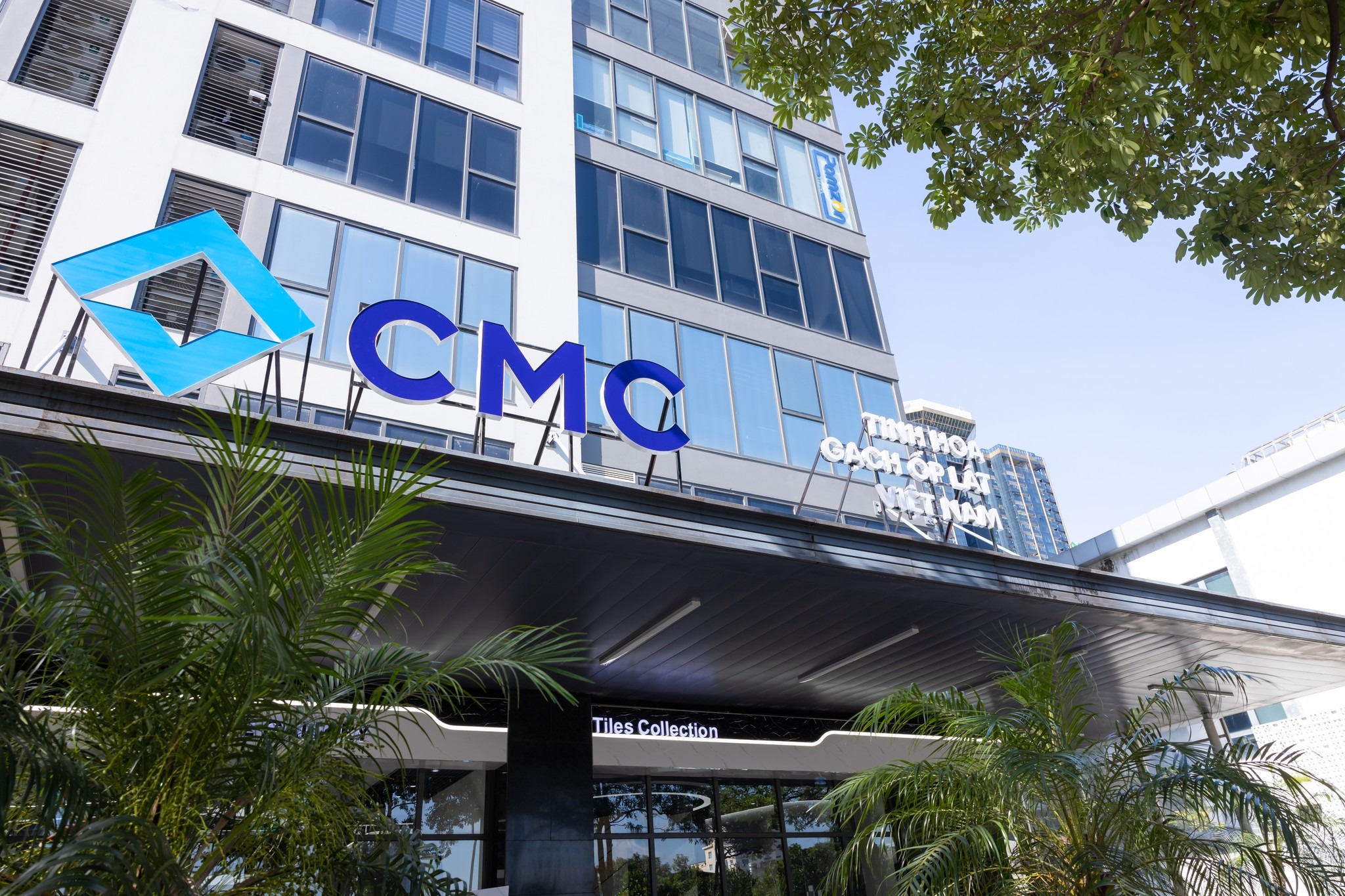
CMC – Your Partner for Ceramic Tiles from Vietnam
As Vietnam’s ceramic tile industry continues to develop, CMC aims to combine manufacturing experience, advanced technology, product innovation, and sustainable development to create reliable tile solutions for modern construction.
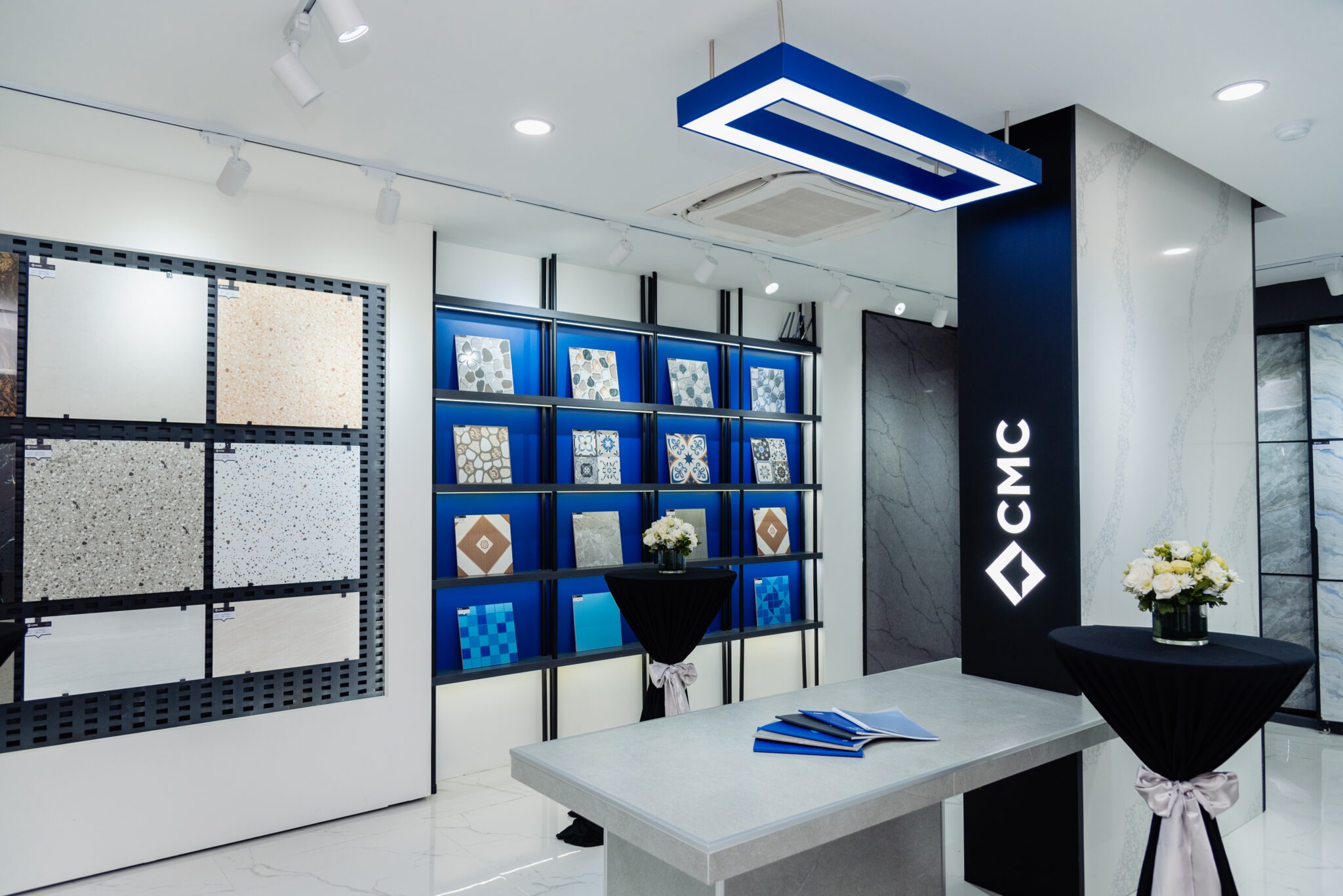
For international buyers searching for a Vietnam ceramic tiles manufacturer, ceramic tile supplier, or ceramic tile exporter, CMC provides an established manufacturing platform and a diverse product portfolio suitable for residential, commercial, hospitality, and architectural applications.
With decades of experience and an ongoing commitment to innovation and quality, CMC Joint Stock Company is positioned as a reliable Vietnamese partner for buyers seeking ceramic tiles from Vietnam.
International buyers can explore CMC’s product portfolio, manufacturing capabilities, and sourcing opportunities through the company’s official website and contact channels.
Key Takeaways
- Ceramic tiles from Vietnam are available in a wide range of designs, formats, finishes, and applications.
- Vietnamese manufacturers can serve residential, commercial, hospitality, retail, and architectural projects.
- International buyers can explore standard collections as well as OEM and private-label opportunities.
- Product quality should be evaluated through technical specifications, samples, testing, and quality-control procedures.
- Export experience, packaging, documentation, and logistics are important when choosing a supplier.
- The right ceramic tile supplier should offer a balance of quality, design, price, production capability, and supply reliability.
For international buyers seeking a reliable source of ceramic tiles, Vietnam can be a competitive and flexible manufacturing destination for both standard products and customized tile programs.