Tiles Export from Vietnam | Ceramic & Porcelain Tile Manufacturer
 admin
admin


Vietnam has become an increasingly attractive sourcing destination for international buyers seeking ceramic and porcelain tiles for residential, commercial, and large-scale construction projects. Competitive manufacturing capabilities, access to raw materials, modern production technologies, and expanding export experience have helped strengthen the position of tiles export from Vietnam in the global building materials market.
For importers, distributors, developers, contractors, and private-label brands, sourcing tiles from Vietnam can offer a valuable balance between product quality, design flexibility, production capacity, and competitive pricing.
However, choosing the right supplier requires more than simply comparing prices. International buyers should evaluate product specifications, manufacturing capabilities, quality control, export experience, packaging standards, production lead times, and the ability of the manufacturer to provide long-term support.
This guide explains why Vietnam is becoming an important tile sourcing market, what products are available, and what buyers should consider when choosing a reliable Vietnam tile exporter.
Why Source Tiles from Vietnam?
The global tile industry has traditionally been dominated by several major manufacturing countries. Over the past years, Vietnam has steadily developed its own position as an alternative production and sourcing hub in Asia.
There are several reasons international buyers are increasingly exploring tiles export from Vietnam.
Competitive Manufacturing Costs
Manufacturing costs remain an important consideration for distributors and importers.
Vietnam offers a relatively competitive production environment, allowing tile manufacturers to produce products suitable for different market segments—from affordable construction tiles to higher-value porcelain and decorative collections.
For international distributors, competitive manufacturing costs can help create greater flexibility in pricing strategies while maintaining acceptable product specifications.
Growing Manufacturing Capability
Vietnam’s ceramic industry has developed significantly, supported by investments in modern factories, automated production lines, kiln technology, digital printing systems, polishing equipment, and quality-control processes.
Many manufacturers can now produce tiles in multiple formats, finishes, patterns, and technical specifications.
Depending on the factory, product portfolios may include:
- Ceramic wall tiles
- Ceramic floor tiles
- Porcelain tiles
- Glazed porcelain tiles
- Polished tiles
- Matt tiles
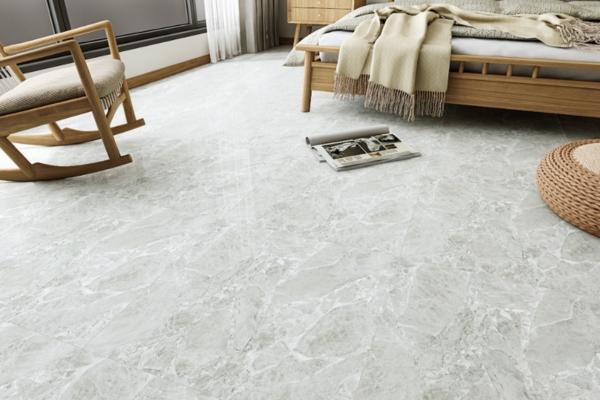
- Stone-look tiles
- Marble-look tiles
- Wood-look tiles
- Large-format tiles
- Outdoor tiles
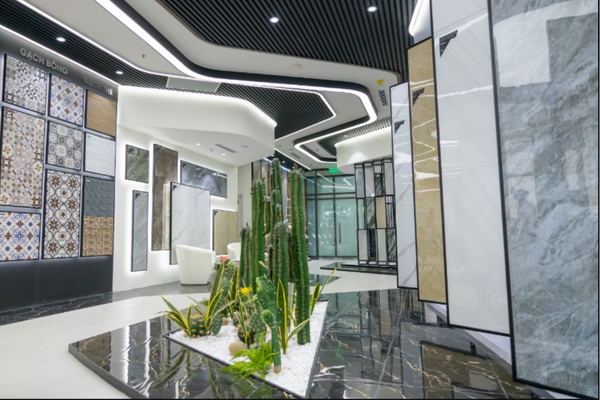
This diversity allows international buyers to source collections for different applications from a single market.
Ceramic Tiles Exporter Vietnam: Products for Multiple Applications
Ceramic tiles remain one of the most widely used building materials because they combine visual flexibility, durability, ease of maintenance, and competitive cost.
A professional ceramic tiles exporter Vietnam can supply products for different residential and commercial applications.
Common ceramic tile applications include:
Interior walls: Ceramic tiles are widely used for bathrooms, kitchens, feature walls, and other interior spaces because of their decorative flexibility and ease of cleaning.
Residential floors: Depending on their technical properties, ceramic floor tiles can be suitable for bedrooms, kitchens, living spaces, and low-to-medium traffic areas.
Commercial interiors: Restaurants, shops, offices, hotels, and other commercial projects may use ceramic tiles where both design and maintenance are important.
Design Flexibility
Digital printing technology enables manufacturers to reproduce a wide range of natural surfaces and decorative styles.
Popular designs include:
- Natural marble
- Limestone
- Travertine
- Cement
- Terrazzo
- Natural wood
- Geometric surfaces
- Minimalist solid colors
As global architecture continues to favor natural-looking materials, these designs allow tile manufacturers to provide visually sophisticated surfaces without the cost and maintenance requirements of natural stone or timber.
Porcelain Tiles Export Vietnam: A Solution for High-Performance Projects
For demanding residential and commercial applications, porcelain tiles are frequently preferred because of their density, strength, and low water absorption.
The development of porcelain tiles export Vietnam has created more sourcing opportunities for buyers seeking technically reliable products at competitive price points.
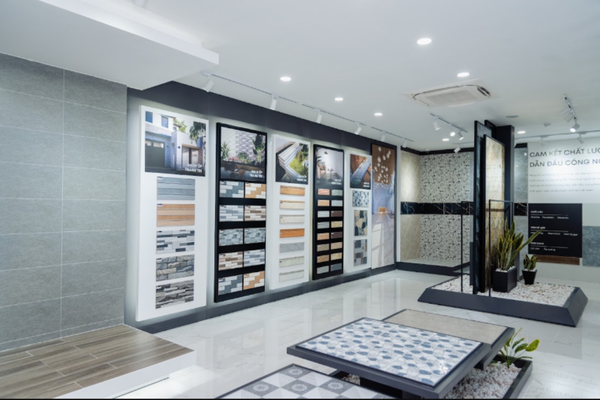
Porcelain tiles may be suitable for:
- Residential floors
- Shopping centers
- Hotels
- Restaurants
- Offices
- Public buildings
- Exterior areas
- High-traffic commercial spaces
Depending on the tile specification and manufacturer, porcelain products can also be supplied with different surface finishes.
Matt Finish
Matt porcelain tiles offer a natural, understated appearance and are commonly used in modern architectural interiors.
Polished Finish
Polished porcelain provides greater surface reflection and is often selected for luxury residential or commercial interiors.
Structured or Textured Finish
Textured surfaces can provide better grip and visual depth, making them attractive for outdoor spaces and areas where slip resistance is an important consideration.
Stone and Marble Effects
Advanced digital printing can recreate natural marble, granite, sandstone, and other stone patterns with high visual consistency.
This enables architects and developers to achieve premium aesthetics while benefiting from the practical characteristics of porcelain tiles.
What Makes Vietnam a Competitive Tile Export Market?
International sourcing decisions are rarely based on product appearance alone.
Importers typically evaluate a combination of production capability, supply stability, cost, technical specifications, customization options, and export support.
Vietnam provides several advantages in these areas.
1. Modern Tile Production Technology
Vietnamese tile factories have increasingly adopted automated manufacturing technologies.
A modern production process may include:
Raw material preparation → pressing → drying → glazing → digital printing → firing → polishing or finishing → sorting → inspection → packaging.
Automation can improve production consistency while reducing variations between batches.
Digital printing also gives manufacturers greater flexibility when developing tile collections inspired by natural materials.
2. Wide Range of Tile Sizes
A reliable Vietnam ceramic tile manufacturer may offer multiple dimensions to meet the requirements of international markets.
Common formats can include:
- 300 × 300 mm
- 300 × 600 mm
- 400 × 400 mm
- 500 × 500 mm
- 600 × 600 mm
- 600 × 1200 mm
- 800 × 800 mm
- Larger formats depending on production capacity
Buyers should confirm exact sizes, thicknesses, tolerances, finishes, and packaging specifications directly with the manufacturer.
3. Flexible Design Development
The ability to develop new designs is increasingly important for distributors.
Markets change quickly, and buyers may require collections tailored to regional trends.
For example, European buyers may prefer subtle stone textures and neutral colors, while other markets may favor highly polished marble patterns or warmer decorative surfaces.
Manufacturers with in-house design teams and digital printing capability can respond more effectively to these requirements.
4. OEM and Private Label Opportunities
Many international distributors prefer to develop their own tile brands instead of selling products under the manufacturer’s brand.
Depending on factory capabilities and minimum order requirements, Vietnamese manufacturers may support:
- OEM production
- Private labeling
- Custom cartons
- Brand-specific packaging
- Customized product codes
- Exclusive tile designs
- Market-specific collections
These services can be particularly valuable for distributors seeking to build a differentiated local brand.
Before starting an OEM project, buyers should confirm minimum order quantities, artwork requirements, packaging costs, development timelines, and design ownership.
How to Choose a Vietnam Tile Exporter
Selecting the right supplier is one of the most important stages of international tile sourcing.
Buyers should evaluate several areas before placing large orders.
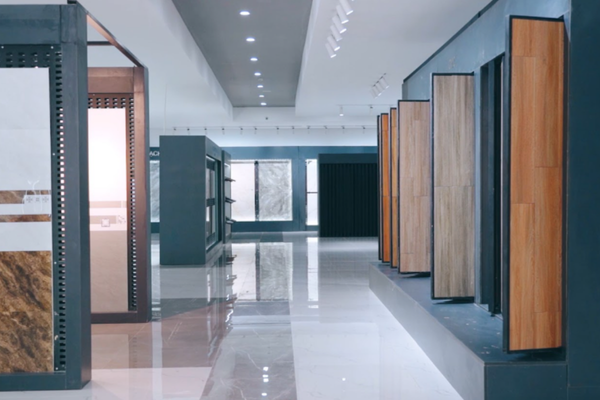
Check Manufacturing Capacity
Ask the supplier about:
- Factory location
- Number of production lines
- Main tile categories
- Monthly or annual production capacity
- Available tile sizes
- Kiln technology
- Printing technology
- Quality-control procedures
These factors help determine whether a supplier can support both current orders and future growth.
Review Product Specifications
Different markets may require different performance characteristics.
Depending on the product and destination market, buyers should review technical information such as:
- Water absorption
- Breaking strength
- Dimensional tolerance
- Surface flatness
- Abrasion resistance
- Chemical resistance
- Stain resistance
- Slip resistance
Technical requirements should always be defined before mass production.
A professional supplier should be able to provide appropriate technical documentation for its products.
Request Samples Before Ordering
Product photographs cannot fully demonstrate surface texture, color variation, edge quality, gloss level, or physical characteristics.
Requesting samples allows buyers to evaluate the actual product.
When reviewing samples, check:
- Color accuracy
- Surface quality
- Printing details
- Edge finishing
- Tile thickness
- Flatness
- Shade consistency
- Packaging quality
For large projects, buyers may also consider third-party inspection or laboratory testing.
Quality Control for Tiles Export from Vietnam
Quality consistency is especially important for exported tiles because replacement after delivery can be expensive and time-consuming.
A strong quality-control process should cover multiple stages.
Raw Material Inspection
Raw materials influence tile body quality, firing behavior, color, and technical performance.
Consistent raw material control helps reduce variation during production.
In-Process Monitoring
Key production parameters such as pressing pressure, moisture, glaze application, printing, kiln temperature, and firing cycles should be monitored.
Final Product Inspection
Finished tiles should be inspected according to relevant production standards and buyer requirements.
Important characteristics may include dimensions, appearance, surface defects, shade variation, and structural performance.
Pre-Shipment Inspection
Before container loading, exporters should verify quantities, product codes, cartons, pallets, labels, and loading arrangements.
For larger orders, buyers may appoint an independent inspection company before shipment.
Packaging and Container Loading
Export packaging must protect tiles throughout international transportation.
Ceramic and porcelain tiles are heavy and relatively fragile, so packaging and container loading require careful planning.
Typical export packaging may include:
- Printed cartons
- Internal protective materials
- Pallets where requested
- Plastic wrapping
- Strapping
- Shipping marks
- Product labels
The exact packaging method depends on buyer requirements, tile size, destination country, and transportation conditions.
Efficient container loading is also important because tile products are weight-intensive.
An experienced Vietnam tile exporter should calculate loading quantities based on tile weight, carton dimensions, container limitations, and shipping requirements.
Tile Designs Popular in International Markets
Global tile design increasingly follows architecture and interior design trends rather than purely decorative patterns.
Several categories remain popular.
Marble-Look Tiles
Marble-inspired tiles provide elegant visual characteristics suitable for luxury residential spaces, hotels, showrooms, and commercial interiors.
Popular visual styles may include white marble with subtle veins, gray marble, warm beige marble, and darker dramatic stone patterns.
Stone-Look Tiles
Natural stone-inspired surfaces create a more understated architectural appearance.
They work particularly well in minimalist interiors, contemporary homes, offices, restaurants, and hospitality projects.
Wood-Look Tiles
Wood-look ceramic and porcelain tiles combine the visual warmth of timber with easier maintenance.
They can be used in living rooms, bedrooms, retail spaces, restaurants, and hospitality environments.
Cement and Concrete Effects
Concrete-look surfaces are popular in modern architecture, particularly for industrial, minimalist, and contemporary design concepts.
Neutral gray, beige, and greige tones can provide architects with a flexible base for interior design.
Benefits for Tile Importers and Distributors
Working with a capable Vietnam ceramic tile manufacturer can provide several commercial advantages.
Product Portfolio Expansion
Distributors can add ceramic, porcelain, decorative, and large-format collections for different customer segments.
Competitive Sourcing
Vietnam can provide an alternative sourcing base for buyers seeking to diversify their international supply chain.
Private-Label Development
OEM and private-label opportunities allow distributors to develop their own market identity.
Design Adaptability
Digital printing and product development capabilities make it easier to introduce new styles as market trends evolve.
Long-Term Supply Partnerships
For importers, a stable relationship with a manufacturer can lead to better production planning, product development, quality consistency, and supply-chain coordination.
Vietnam Ceramic Tile Manufacturer for International Projects
When selecting a manufacturer, international buyers should look beyond unit price.
A strong manufacturing partner should be capable of supporting the entire purchasing process—from product selection and technical consultation to production, inspection, documentation, and shipment.
Important supplier capabilities include:
- Product development
- Stable manufacturing capacity
- Quality assurance
- Export documentation
- Container loading
- OEM support
- Technical specifications
- Customer service
This is particularly important for distributors and construction projects that require repeat orders or long-term product continuity.
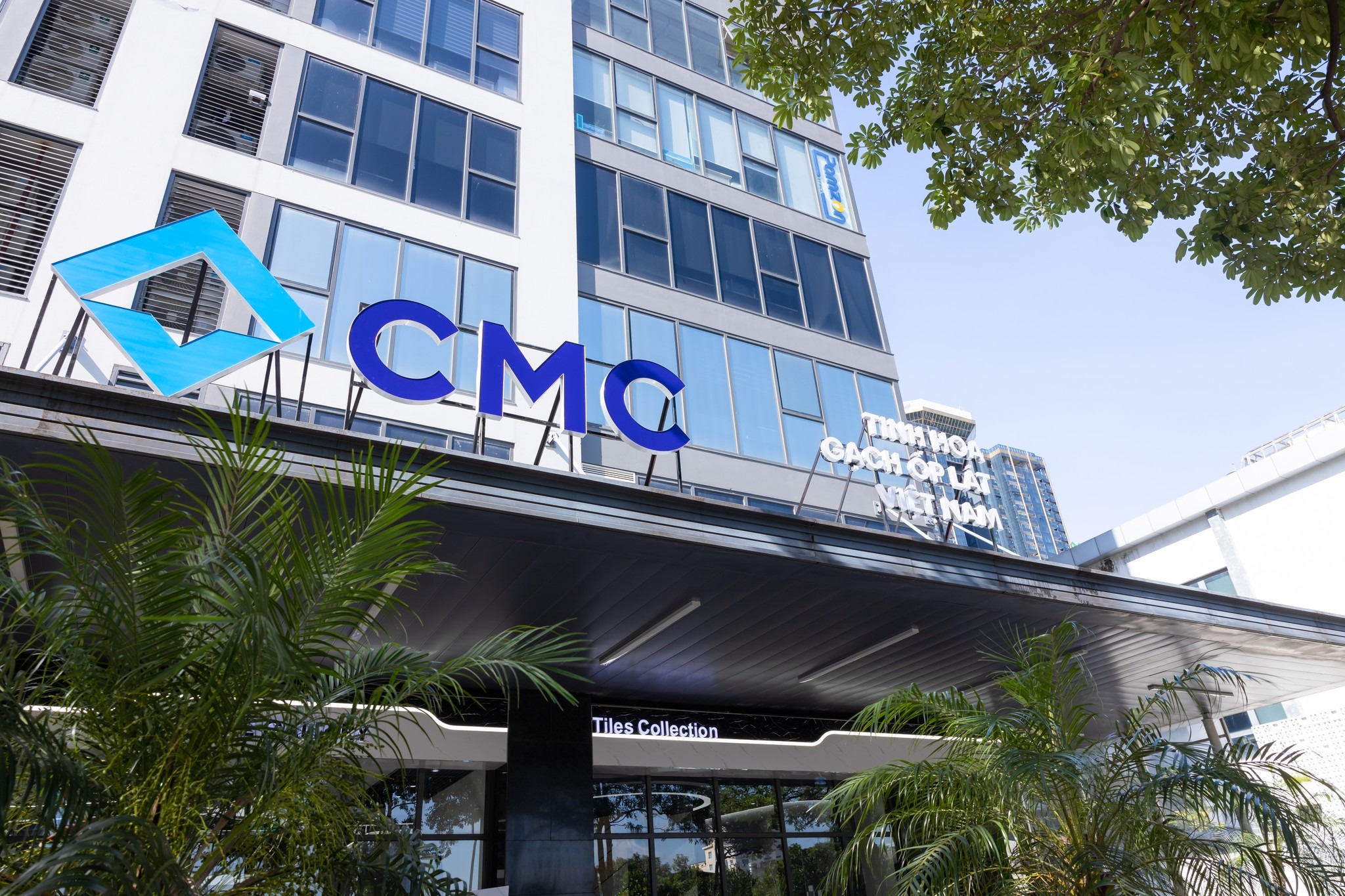
CMC Tiles – Ceramic and Porcelain Tile Manufacturer from Vietnam
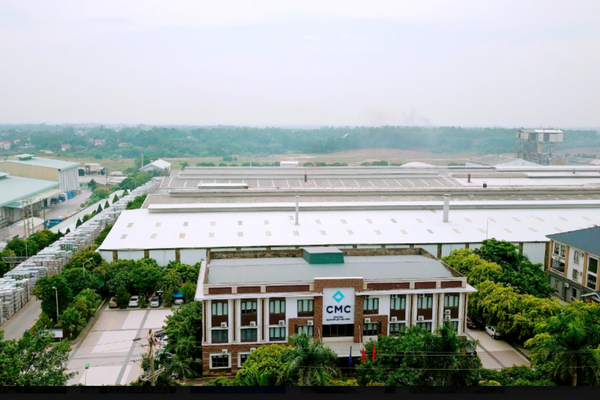
CMC Joint Stock Company is a Vietnamese manufacturer operating in the building materials and tile industry.
With manufacturing experience and a portfolio of ceramic and porcelain tile solutions, CMC aims to serve both domestic customers and international partners seeking reliable tile sourcing from Vietnam.
The company develops products for different architectural applications, including residential and commercial spaces.
For international buyers searching for a Vietnam tile exporter, working directly with a manufacturer can simplify communication regarding product specifications, production planning, packaging, and export requirements.
CMC can support discussions around:
- Ceramic tile collections
- Porcelain tiles
- Multiple tile sizes
- Surface finishes
- Export packaging
- OEM and private-label requirements
- Distributor cooperation
- Construction project requirements
International customers should contact the manufacturer directly for the latest product catalogue, technical data, production capacity, minimum order quantities, certifications, and export terms.
How the Tile Export Process Typically Works
For first-time importers, the purchasing process usually follows several stages.
Step 1: Send an inquiry.
Provide the required tile type, size, quantity, finish, target market, and other specifications.
Step 2: Product selection.
The manufacturer recommends suitable products or sends catalogues and technical information.
Step 3: Sample evaluation.
Samples can be reviewed for design, color, surface, quality, and technical characteristics.
Step 4: Commercial quotation.
The supplier provides pricing based on quantity, product specification, packaging, and agreed trade terms.
Step 5: Order confirmation.
Product codes, quantities, packaging details, payment terms, and production schedules are confirmed.
Step 6: Production and inspection.
The order enters production and undergoes quality-control procedures.
Step 7: Container loading and shipping.
Products are packed, loaded, and prepared for international shipment.
Clear communication throughout these stages can significantly reduce sourcing risks.
Frequently Asked Questions About Tiles Export from Vietnam
Is Vietnam a good country for sourcing ceramic tiles?
Vietnam can be a competitive sourcing destination due to its manufacturing capabilities, variety of ceramic and porcelain products, competitive production environment, and growing export experience.
The suitability of an individual supplier should still be evaluated based on product quality, technical requirements, certifications, and delivery capability.
What types of tiles can be exported from Vietnam?
Vietnamese manufacturers may supply ceramic wall and floor tiles, porcelain tiles, polished tiles, matt tiles, decorative products, stone-look tiles, marble-look tiles, and other categories depending on factory capabilities.
Can Vietnamese tile manufacturers provide OEM services?
Some manufacturers can support OEM or private-label production, including customized cartons, branding, product codes, and selected designs.
Minimum order quantities and customization conditions vary by supplier.
What information should I include in a tile inquiry?
Providing detailed requirements will help manufacturers quote accurately.
Ideally, include:
- Tile type
- Dimensions
- Finish
- Quantity
- Target price range
- Destination port
- Packaging requirements
- Required certifications
- Expected delivery schedule
Can I request tile samples before ordering?
Yes. Sample evaluation is strongly recommended before confirming a large export order.
Samples allow buyers to evaluate design, shade, finish, thickness, and overall product quality.
Find a Reliable Partner for Tiles Export from Vietnam
As international buyers continue to diversify their sourcing networks, Vietnam offers growing opportunities for ceramic and porcelain tile procurement.
The country’s expanding manufacturing capabilities, competitive production environment, broad design options, and increasing export experience make tiles export from Vietnam worth considering for distributors, importers, construction companies, and private-label brands.
The most important factor, however, is choosing the right manufacturing partner.
Rather than focusing solely on price, buyers should evaluate production capacity, technical specifications, quality control, packaging, export experience, customization capability, and long-term service.
A professional Vietnam tile exporter should be able to provide transparent product information, consistent manufacturing quality, clear commercial terms, and reliable support throughout the purchasing process.
For buyers looking for a ceramic tiles exporter Vietnam, a partner for porcelain tiles export Vietnam, or an experienced Vietnam ceramic tile manufacturer, establishing direct cooperation with a capable factory can create a stronger and more sustainable international supply chain.
About CMC Tiles – A Trusted Tile Manufacturer from Vietnam
CMC Joint Stock Company (CMC Tiles) is a Vietnamese manufacturer specializing in ceramic and porcelain tiles for residential, commercial, and architectural applications. With years of experience in the building materials industry, CMC has continuously invested in production technology, product development, quality control, and design innovation to meet the changing demands of both domestic and international markets.
As a professional Vietnam ceramic tile manufacturer, CMC offers a diverse portfolio of tile products in various sizes, surfaces, colors, and design styles. Its collections include ceramic tiles, porcelain tiles, marble-look tiles, stone-look tiles, wood-look tiles, and other contemporary surface solutions suitable for different project requirements.
CMC focuses on maintaining consistent product quality throughout the manufacturing process, from raw material preparation and pressing to glazing, digital printing, firing, inspection, and packaging. This allows the company to support customers who require not only attractive designs but also stable technical performance and reliable supply.
For international partners, CMC aims to provide flexible cooperation solutions for importers, distributors, contractors, developers, and private-label brands. Depending on specific project requirements, the company can support product selection, export packaging, technical information, OEM or private-label discussions, and long-term supply cooperation.
With a commitment to product quality, modern manufacturing, and customer-oriented service, CMC Tiles is working to strengthen its position as a reliable partner for tiles export from Vietnam and to bring Vietnamese ceramic and porcelain tile products to more international markets.
International buyers looking for a dependable Vietnam tile exporter, ceramic tiles exporter Vietnam, or partner for porcelain tiles export Vietnam can contact CMC Tiles to request product catalogues, technical specifications, samples, quotations, and cooperation information.