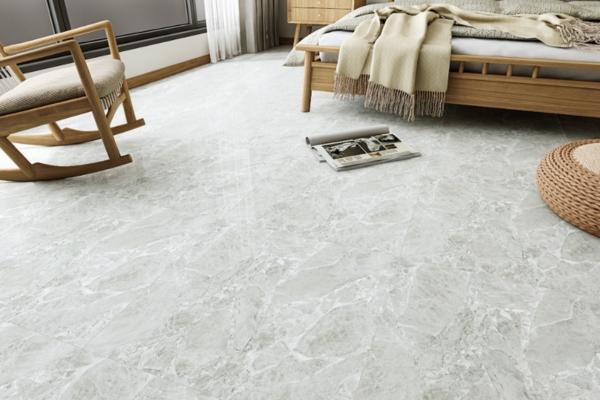
Tile Ceramic Flooring | Modern, Durable Floor Tile Solutions
 admin
admin


Choosing the right flooring has a major impact on the appearance, functionality and long-term performance of any interior space. Among the many flooring materials available today, tile ceramic flooring remains a practical and versatile solution for residential, commercial and architectural applications.
Ceramic tiles combine attractive surface designs with reliable performance and easy maintenance. From contemporary apartments and private homes to hotels, offices, retail stores and large construction projects, ceramic flooring can be adapted to a wide range of design requirements.
Modern ceramic flooring tiles are available in various formats, finishes, colors and decorative styles. They can reproduce the appearance of marble, natural stone, cement, terrazzo or wood while maintaining the practical advantages of manufactured ceramic surfaces.
For homeowners, architects, developers and distributors, ceramic flooring provides an effective balance between aesthetics, durability, functionality and cost.
This guide explores the characteristics, applications, designs and advantages of ceramic floor tiles and explains how to select suitable products for different spaces.
What Is Tile Ceramic Flooring?
Tile ceramic flooring refers to flooring surfaces made from ceramic tiles produced using selected raw materials that are shaped, decorated and fired at high temperatures.
Ceramic manufacturing allows producers to create tiles in consistent dimensions with a wide variety of surface designs.
Depending on the collection and intended application, ceramic floor tiles may feature different:
- Sizes
- Thicknesses
- Surface textures
- Colors
- Patterns
- Finishes
- Edge treatments
The result is a highly adaptable flooring material that can complement different architectural and interior styles.
Unlike some natural materials that may vary significantly from piece to piece, manufactured ceramic tiles can provide greater design consistency across large flooring areas.
This makes ceramic tiles for floor applications particularly suitable for projects requiring coordinated visual effects.
Why Choose Ceramic Flooring Tiles?
Ceramic tiles have remained popular for decades because they offer several practical advantages.
Attractive Design Options
One of the strongest advantages of ceramic flooring tiles is design flexibility.
Modern digital decoration technology makes it possible to reproduce complex patterns and natural material effects on ceramic surfaces.
Popular styles include:
- Marble look
- Natural stone look
- Cement effect
- Terrazzo pattern
- Wood look
- Minimalist solid colors
- Geometric patterns
These options allow designers to achieve different visual styles without depending entirely on natural materials.
Easy Cleaning and Maintenance
Ceramic surfaces are generally easy to clean using regular household or commercial cleaning methods.
Dust, dirt and common surface stains can often be removed without complicated maintenance procedures.
This makes ceramic flooring especially practical for frequently used spaces.
Long-Term Appearance
When suitable products are selected for the correct application and installed properly, ceramic floor tiles can maintain their appearance over long periods.
This durability makes them a popular flooring choice for residential developments and commercial projects where replacement can be costly or disruptive.
Suitable for Different Interior Styles
From minimalist interiors to luxury spaces, ceramic flooring can support diverse design concepts.
Different surface patterns and dimensions allow architects to create flooring that complements furniture, wall finishes, lighting and other interior materials.
Ceramic Tiles for Floor Applications
Different areas require different flooring characteristics.
Understanding the intended application is therefore essential when selecting ceramic tiles for floor installation.
Living Room Flooring
The living room is often one of the largest and most visually important areas of a home.
Ceramic tiles can create a clean, modern appearance while supporting daily household activities.
Marble-effect tiles are frequently used in contemporary living rooms because they create a spacious and elegant atmosphere.
Stone or cement-inspired surfaces can provide a more understated architectural look.
Bedroom Flooring
Although bedrooms are often associated with warmer flooring materials, ceramic tile can also be an attractive solution.
Wood-effect ceramic tiles can reproduce the visual warmth of timber while maintaining the practical characteristics of tile surfaces.
Neutral beige, cream or light gray colors are also popular choices for calm and comfortable bedroom interiors.
Kitchen Flooring
Kitchen floors require materials that are relatively easy to clean and maintain.
Ceramic flooring provides a practical surface for this environment.
Designers can coordinate kitchen flooring with cabinets, countertops, backsplashes and wall tiles to create a consistent interior concept.
Bathroom Flooring
Ceramic tiles are widely used in bathrooms due to their suitability for tiled environments.
For bathroom floors, surface characteristics should be carefully considered according to the intended installation area.
Tiles with appropriate surface textures can provide a more practical solution for wet environments.
Hallways and Corridors
Hallways and corridors experience frequent foot traffic.
Selecting suitable ceramic floor products can help create a continuous surface between different areas of a building.
Large-format designs can also reduce the number of visible joints and create a cleaner visual appearance.
Tile Flooring Ceramic Solutions for Commercial Spaces
The flexibility of tile flooring ceramic products extends beyond residential interiors.
Ceramic flooring can also be used across numerous commercial applications.
Retail Stores
Retail environments require flooring that supports the overall brand and visual identity of the space.
Stone, cement and marble-inspired ceramic tiles can be used to create different retail atmospheres.
Restaurants and Cafés
Flooring plays an important role in hospitality design.
Ceramic tiles can complement modern, industrial, classic or natural interior concepts depending on the selected pattern and finish.
Hotels
Hotels use ceramic flooring in areas such as guest rooms, corridors, reception spaces and common areas.
Coordinating flooring designs throughout a property can help create a consistent architectural identity.
Offices
Neutral ceramic flooring can provide a professional and contemporary appearance for offices.
Cement and stone-effect tiles are particularly suitable for minimalist office environments.
Residential Developments
Large apartment and housing developments often require flooring products that combine attractive designs with consistent supply.
Ceramic tiles can be selected for living rooms, kitchens, bathrooms and common areas according to individual project specifications.
Popular Designs for Ceramic Flooring Tiles
Design trends continue to influence the ceramic flooring market.
Modern manufacturing technology allows tile surfaces to reflect both traditional and contemporary material aesthetics.
Marble-Look Ceramic Flooring
Marble remains strongly associated with luxury interior design.
Ceramic tiles inspired by marble can reproduce characteristic veins and color variations without relying on large quantities of natural stone.
White marble effects with gray veins remain especially popular for bright, contemporary interiors.
Beige and darker marble patterns can create warmer or more dramatic spaces.
Stone-Look Ceramic Tiles
Natural stone aesthetics are widely used in contemporary architecture.
Stone-effect ceramic tiles can provide the appearance of limestone, slate or other natural materials.
These surfaces work particularly well in minimalist residences, hotels and commercial interiors.

Cement-Look Flooring
Cement-inspired designs have become popular in modern architectural projects.
Gray and neutral cement effects work well with metal, wood, glass and minimalist furniture.
They are commonly selected for:
- Apartments
- Cafés
- Restaurants
- Offices
- Retail stores
- Contemporary homes
Wood-Look Ceramic Flooring
Wood-effect ceramic tiles combine natural visual inspiration with ceramic manufacturing.
Modern printing technology can recreate wood grain patterns in multiple tones.
This makes wood-look ceramic flooring suitable for bedrooms, living rooms, restaurants and hospitality spaces.
Terrazzo-Inspired Tiles
Terrazzo patterns have returned as a major interior design trend.
Ceramic versions provide decorative surfaces with scattered stone-inspired elements.
They can be used as full flooring surfaces or as visual accents in selected areas.
Choosing the Right Size of Ceramic Floor Tile
Tile dimensions significantly influence the visual appearance of a room.
Different projects may require different formats.
Small and Medium Formats
Smaller formats can provide flexibility in compact rooms and more detailed layouts.
They are often selected for bathrooms, kitchens and smaller residential spaces.
Large-Format Ceramic Tiles
Larger ceramic tiles can create a cleaner and more spacious appearance.
Because fewer tiles are required across the same area, grout lines can be reduced visually.
Large formats are especially suitable for:
- Living rooms
- Hotel spaces
- Restaurants
- Offices
- Modern apartments
- Commercial interiors
When selecting the tile size, designers should also consider room dimensions, installation layout and overall interior proportions.
Matte or Glossy Ceramic Flooring?
Surface finish influences both appearance and practical performance.
Glossy Surfaces
Glossy tiles reflect more light and can make interior spaces feel brighter.
They are frequently used in elegant residential environments.
Marble-inspired glossy tiles can create a premium visual effect.
Matte Surfaces
Matte tiles provide a softer and more natural appearance.
They are commonly used in contemporary, minimalist and architectural interiors.
Stone, cement and wood-inspired designs often work particularly well with matte finishes.
The most suitable surface should be selected according to the room, aesthetic concept and intended usage.
How to Choose Ceramic Tiles for Floor Projects
Selecting ceramic flooring should involve more than choosing a visually attractive design.
Several factors should be evaluated before ordering.
1. Identify the Application
Determine whether the tiles will be used in residential, commercial or project environments.
Different applications may require different product specifications.
2. Select the Desired Design
Choose a surface style that complements the overall interior concept.
For example:
- Marble for elegant spaces
- Cement for minimalist interiors
- Wood for warmer environments
- Stone for architectural concepts
- Terrazzo for decorative spaces
3. Select Tile Dimensions
Consider the room size and preferred installation layout.
Large formats may create a more continuous appearance, while smaller tiles can provide greater layout flexibility.
4. Consider Surface Finish
Select glossy, matte or textured surfaces according to design requirements and installation conditions.
5. Review Technical Specifications
For commercial and project applications, buyers should review relevant technical information and ensure that the selected product is appropriate for the intended use.
6. Order Suitable Quantities
Projects should account for installation cuts, layout requirements and potential replacement needs.
The contractor or supplier can help calculate suitable quantities according to the project.
Ceramic Flooring Installation Considerations
High-quality tile products still require proper installation.
Before installation, the floor substrate should be prepared correctly.
Important considerations include:
- Surface flatness
- Tile layout planning
- Suitable installation materials
- Joint spacing
- Pattern alignment
- Cutting requirements
- Cleaning after installation
For patterned or marble-inspired tiles, installers may arrange pieces before fixing them permanently to achieve a more natural visual distribution.
Professional installation helps ensure the final flooring surface performs and appears as intended.
How to Maintain Tile Ceramic Flooring
One of the practical advantages of tile ceramic flooring is straightforward maintenance.
Regular cleaning can help preserve the appearance of the surface.
General maintenance usually involves removing dust and cleaning the flooring with appropriate products.
Spills should be cleaned promptly, especially in areas such as kitchens and dining spaces.
Cleaning products should always be selected according to the tile manufacturer’s recommendations.
Proper routine care allows ceramic flooring to remain attractive while minimizing unnecessary maintenance.
Ceramic Flooring for Residential and Commercial Projects
The broad design flexibility of ceramic tiles makes them suitable for both small residential renovations and large-scale developments.
Homeowners may prioritize appearance, comfort and ease of maintenance.
Architects often focus on visual consistency, material coordination and surface characteristics.
Developers may require stable supply, product consistency and competitive project solutions.
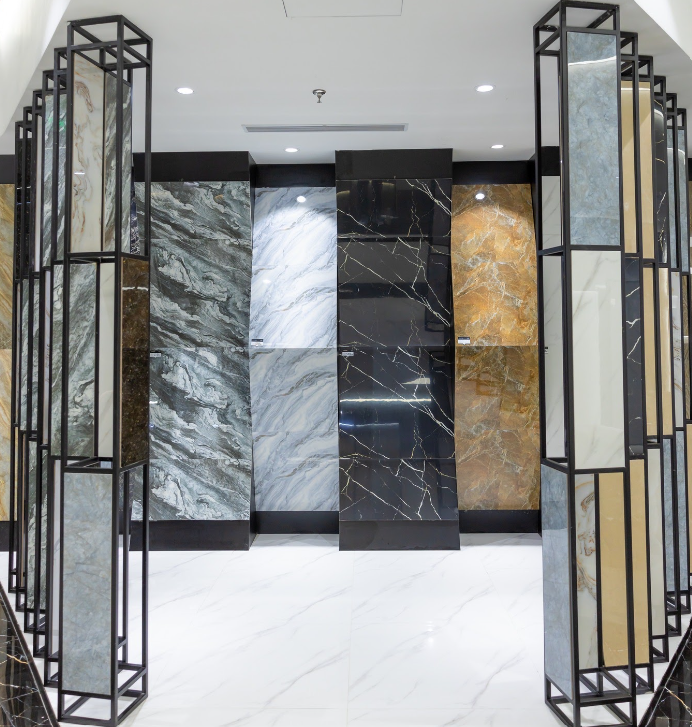
Distributors may need broad product collections capable of serving different customer segments.
A reliable ceramic tile supplier should therefore understand both product aesthetics and practical project requirements.
Why Ceramic Flooring Remains a Popular Choice
Flooring trends change over time, but ceramic tile continues to maintain a strong position within the construction and interior design industry.
Its popularity comes from a combination of characteristics rather than a single advantage.
Ceramic flooring offers:
- Diverse design possibilities
- Multiple size options
- Easy maintenance
- Practical performance
- Modern decorative surfaces
- Compatibility with different interior styles
- Applications across residential and commercial projects
Modern manufacturing has also significantly expanded the visual possibilities of ceramic products.
Consumers no longer need to choose between functionality and attractive design.
Frequently Asked Questions About Ceramic Flooring
Is tile ceramic flooring suitable for residential interiors?
Yes. Ceramic flooring can be used in living rooms, kitchens, bedrooms, bathrooms and other residential spaces depending on the selected product specifications and surface finish.
What are ceramic flooring tiles?
Ceramic flooring tiles are manufactured ceramic products designed for floor applications. They are available in various sizes, patterns, colors and surface finishes.
Are ceramic tiles for floor easy to maintain?
Ceramic floor tiles generally require straightforward routine cleaning. Proper installation and regular maintenance help preserve their appearance over time.
Which ceramic tile design is best for modern interiors?
Marble, cement, stone and neutral minimalist designs are popular choices for contemporary spaces. The ideal option depends on the overall architectural concept.
Can ceramic flooring imitate natural materials?
Yes. Modern ceramic manufacturing and digital decoration technologies allow tiles to recreate visual effects inspired by marble, stone, wood, cement and terrazzo.
Are large ceramic floor tiles suitable for small rooms?
Large tiles can sometimes help small rooms appear more continuous because they reduce the number of visible grout lines. However, the most suitable size depends on room dimensions and installation layout.
Is matte or glossy ceramic flooring better?
Neither option is universally better. Glossy surfaces provide a brighter visual appearance, while matte surfaces create a softer and more natural look. The choice should depend on the intended space and application.
Discover Modern Ceramic Floor Tile Solutions
Flooring has a major influence on both the visual identity and everyday functionality of a space.
With its extensive range of designs, formats and finishes, tile ceramic flooring provides architects, homeowners, developers and commercial buyers with flexible solutions for modern interiors.
From sophisticated marble patterns to minimalist cement surfaces, natural stone effects and warm wood-inspired designs, today’s ceramic flooring tiles can complement almost any architectural style.
Choosing appropriate ceramic tiles for floor applications requires careful consideration of design, dimensions, surface characteristics and intended usage.
For residential developments, commercial environments or large construction projects, ceramic flooring continues to provide an effective combination of design flexibility, practicality and long-term value.
Explore our ceramic floor tile collections and contact CMC Tiles to find suitable flooring solutions for your residential, commercial or international project.